
FSS and CIPE Convene National Roundtable on Economic Reform Implementation and Business Environment
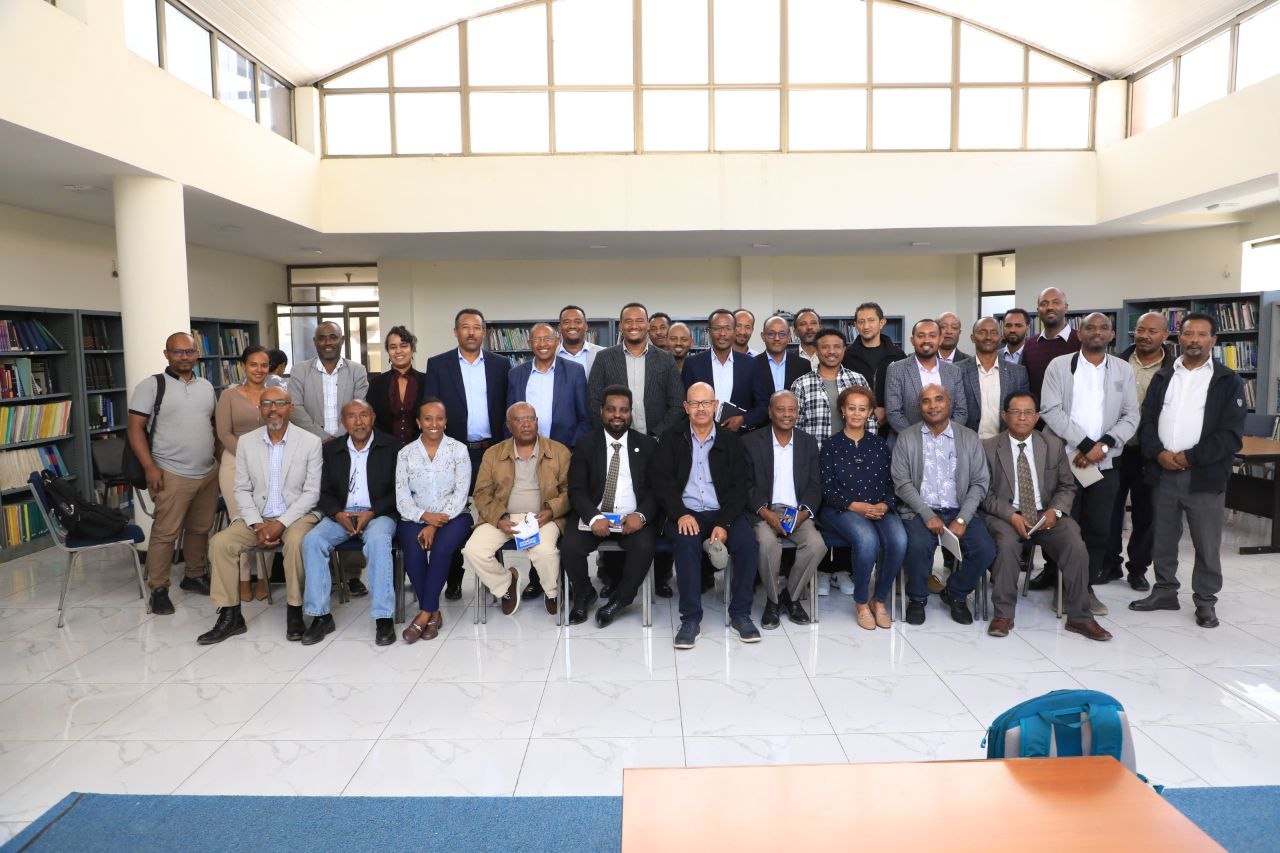
The Forum for Social Studies (FSS), in collaboration with the Center for International Private Enterprise (CIPE), convened the Third National Roundtable Discussion on Reform Implementation and a Predictable Business Environment on Thursday, October 22, 2026, at the FSS head office conference hall in Addis Ababa.
The roundtable brought together approximately 40 participants drawn from research institutions, civil society organizations (CSOs), chambers of commerce, sectoral associations, the business community, and local media to discuss the practical challenges of implementing Ethiopia’s economic reforms and identify ways to strengthen the business environment.
The event opened with remarks by FSS Executive Director Professor Tegegn Gebre-Egziabher, who welcomed participants and underscored the importance of evidence-based policy dialogue in addressing national development challenges.
Dr. Berhanu Denu, a senior economist and lecturer at Addis Ababa University (AAU) and a member of FSS, presented a research paper examining economic reform implementation and its implications for Ethiopia’s business environment. The presentation provided a foundation for a lively plenary discussion, during which participants shared their perspectives on the research findings and the practical challenges facing businesses.
Participants subsequently divided into four groups to examine key dimensions of economic reform implementation: reform implementation and regulatory predictability; tax and VAT administration, customs procedures, and government services; administrative burdens and business readiness; and government–business dialogue and accountability.
The discussions focused on identifying gaps between policy commitments and practices on the ground, examining the causes of implementation challenges, and proposing practical recommendations for meaningful reform. Participants raised valuable comments and highlighted implementation constraints across the four thematic areas. Representatives of each group presented their findings and recommendations to the wider gathering.
The discussions were moderated by Ato Tilahun Girma, a PhD candidate at Addis Ababa University, who facilitated the exchange of views and the presentation of group findings.
In his concluding remarks, CIPE Deputy Country Director Dr. Ahmed Mohammed Awel thanked the FSS research team and participants for their contributions and for making time to engage in dialogue on an issue of significant national concern. He emphasized the way forward, highlighting CIPE’s continued collaboration with FSS to ensure that the research findings are effectively disseminated and contribute to meaningful policy impact.
Professor Tegegn, in his closing remarks, also expressed his appreciation to the research team and participants for their active engagement. He highlighted the importance of developing a knowledge product based on the research and roundtable discussions to broaden the dissemination of findings and strengthen their policy impact. He reaffirmed FSS’s longstanding commitment as a policy think tank to promoting informed public dialogue and providing evidence-based inputs to policy making.
The roundtable forms part of the ongoing research collaboration between FSS and CIPE on Ethiopia’s economic liberalization agenda. The initiative seeks to generate evidence and facilitate constructive dialogue on the implementation of economic reforms, regulatory consistency, business compliance burdens, and mechanisms for effective government–business engagement.
The insights and recommendations emerging from the discussion are expected to inform the development and dissemination of research outputs aimed at supporting more predictable, transparent, and effective economic reform implementation in Ethiopia.