
FSS Conducts National Conference on Bridging Gender, Climate, and Nutrition: Empowering women for sustainable futures
A timely national conversation on some of Ethiopia’s most pressing development challenges took center stage this week, as the Forum for Social Studies convened a high-level conference at the Hilton Addis Ababa under the theme “Empowering Women for Sustainable Futures: Addressing Gender, Climate Change and Nutrition”
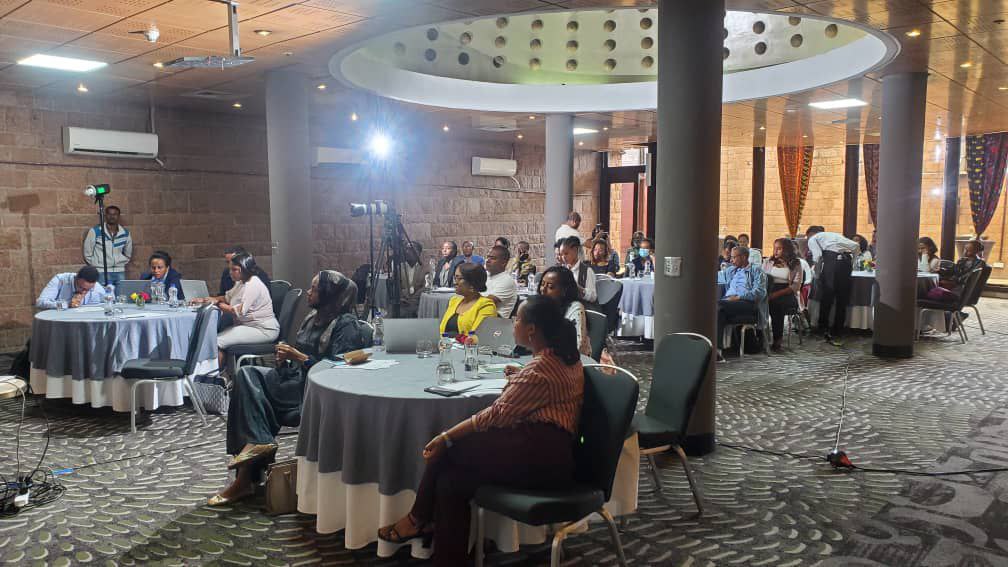
Held on March 17, 2026, the one-day event brought together policymakers, researchers, civil society actors, and media representatives to unpack the complex intersections between gender equality, climate resilience, and nutrition—areas increasingly seen as inseparable in Ethiopia’s development agenda.
The conference forms part of the Gender, Climate Change, and Nutrition (GCAN) Integration Initiative, a collaborative effort led by the International Food Policy Research Institute, FSS, and WE-Action. The initiative seeks to ensure that agricultural policies and climate strategies go beyond technical fixes to actively promote women’s empowerment and improved nutritional outcomes.
Opening the event, Ato Abduljewad Mohammed, CEO at the Ministry of Irrigation and Lowlands, underscored the importance of integrated approaches in tackling Ethiopia’s development challenges. He was preceded by welcoming remarks from Yeraswork Admassie (PhD), Executive Director of FSS, who highlighted the urgency of aligning policy, research, and practice.
The program featured a lively panel discussion alongside research presentations, creating space for candid exchanges and practical insights. Participants explored how climate shocks, gender inequality, and malnutrition are deeply intertwined—and why addressing them in isolation may fall short.
Adding energy to the event, a group of youth advocates delivered a vibrant performance reflecting the conference’s core message: that women’s economic empowerment is central to building a sustainable future.
With around 45 participants from government institutions, civil society, higher learning institutions, and the media, the conference provided participants a venue to explore the intersections of gender, climate sustainability, and nutrition and identify pathways for more inclusive and sustained development, a reminder that meaningful progress lies in connecting the dots across sectors, and in placing women at the heart of Ethiopia’s path toward resilience and inclusive growth.